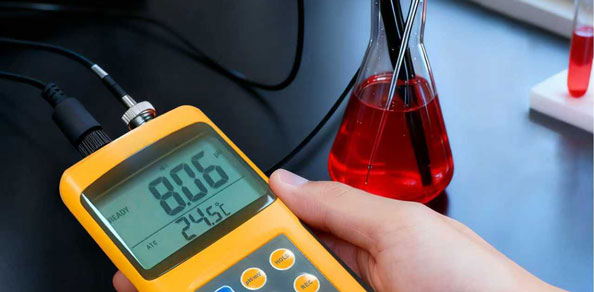
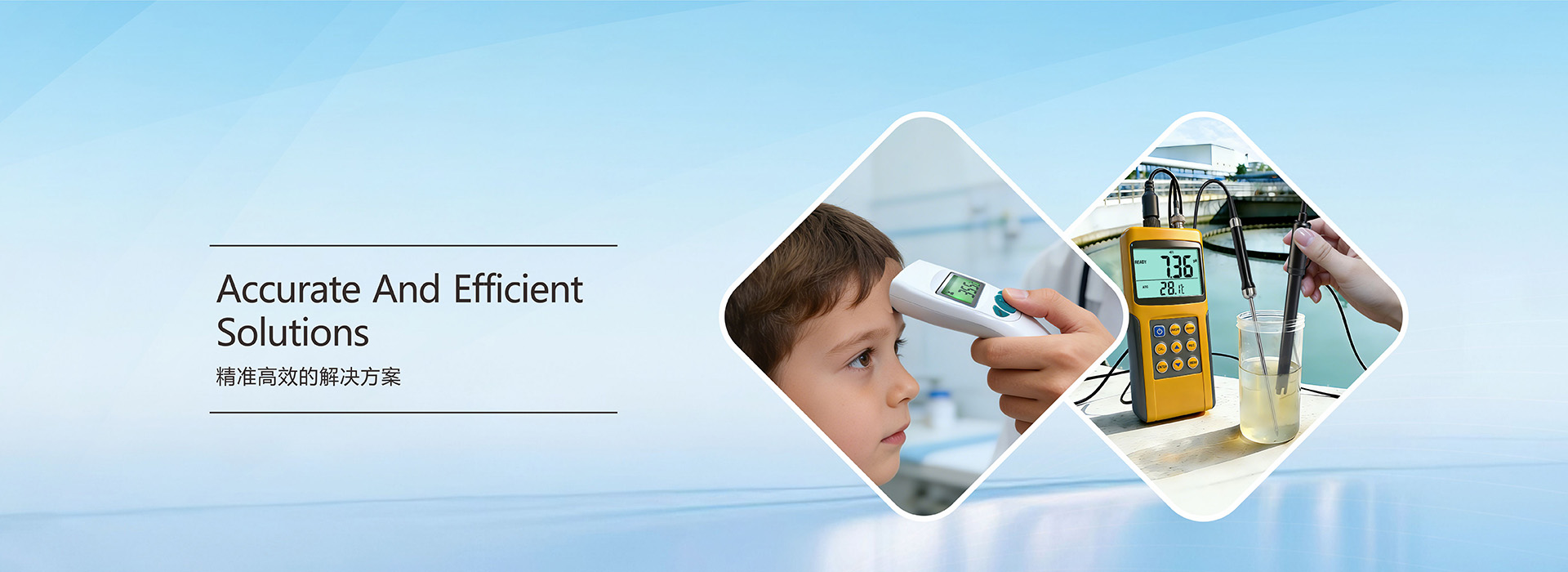
A pH meter, also known as an acidity meter, is an electrochemical instrument used to measure the pH value of a solution. pH is a critical parameter that describes the acidity (H⁺ concentration) or alkalinity (OH⁻ concentration) of a solution. As living standards improve, pH meters have gradually become integrated into daily life, playing an essential role in various fields such as environmental protection, food processing, chemical engineering, pharmaceuticals, agriculture, and aquaculture.
1. Application in Agriculture
Controlling soil pH is vital, as the optimal pH range for crop growth is narrow and varies among different crops. In hydroponic systems, pH control is even more critical than in soil cultivation, as excessively high or low pH can lead to the precipitation of certain chemicals. Some essential trace elements in soil are most available under slightly acidic conditions. If the soil pH is too high, crop nutrients may form insoluble compounds. Conversely, if the pH is too low, certain metal ions may leach away.
2. Application in Pharmaceuticals
During drug manufacturing, incorrect pH levels can render a product toxic rather than therapeutic. Thus, strict pH control is required in many pharmaceutical production processes.
3. Application in Wastewater Treatment
Controlling the pH of wastewater is essential for effective coagulation of acidic or alkaline sludge. Optimal results are typically achieved at pH 3.4 or 7.4. Additionally, the pH of discharged water must be regulated to prevent environmental pollution. The ideal pH range for biological digestion processes is between 6.8 and 7.6.
4. Application in Swimming Pool Water Treatment
The pH of swimming pool water should be maintained near neutral or slightly alkaline to prevent skin irritation. High pH accelerates the precipitation of solid salts in heating sections and filters, while low pH can corrode iron pipelines.
5. Application in Tropical Fish Farming
Expensive tropical fish thrive and reproduce only within specific pH ranges. Each species has its optimal pH environment, which becomes even more critical during breeding. For example, freshwater fish generally require a pH between 6.0 and 8.0, while marine fish need a stable pH around 8.3. If the pH of saltwater falls below 7.0, fish are prone to illness.
6. Application in Brewing
pH is crucial at every stage of the aging and brewing processes. Lowering the pH reduces the solubility of bitter compounds from hops, ensuring that even higher hop concentrations do not increase bitterness. Bottled beer should maintain a pH between 3.9 and 4.1 to ensure stability during storage.
7. Application in Meat and Fish Processing
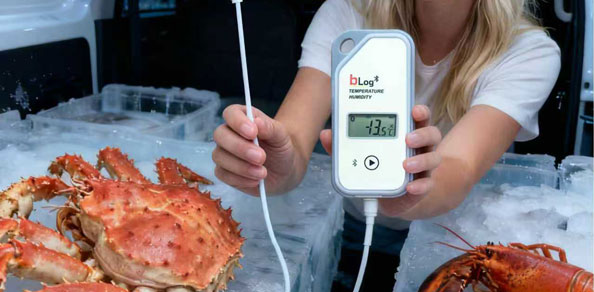
Measuring the pH of meat and fish serves as a reliable indicator of product quality and freshness.
8. Application in Dyeing and Printing
Processes such as bleaching and dyeing require precise pH control to achieve optimal results without damaging the fabric. For instance, wool must be dyed at neutral pH for effective results, and the pH of dyes themselves must be monitored. The acidity of dyes is typically measured using a pH meter to determine the endpoint.
9. Application in Printing
The pH of paper and ink must be controlled to ensure proper ink penetration and drying speed. Excessively high pH can cause stickiness, while overly low pH slows drying.
10. Application in the Steel Industry
pH measurements determine the efficiency of pickling baths and the neutralization of waste acid baths. The quality of casting sand can be improved through pH control, as proper pH management enhances the sand’s ability to retain its shape.
Note: The repeated section on printing in the original text has been merged into a single concise paragraph in the translation to avoid redundancy.